

Tanzania Arusha - West Kilimanjaro - Mkomazi –Usambara and Pare Mountains Ride
9 nights/10 days - 2026
Tanzania Arusha - West Kilimanjaro
NeuFox Travel Pty Ltd
Let’s turn our travel dreams into reality!
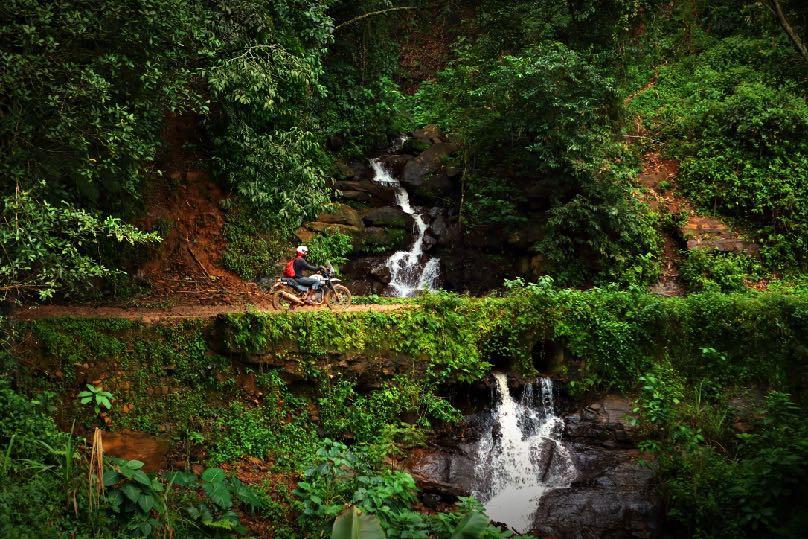
Tanzania Arusha – West Kilimanjaro – Mkomazi – Usambara and Pare Mountains Ride. 9 nights / 10 days – 2026
Trip starts: 09.00 hrs.
Trip ends: 18.00 hrs.
Duration: 9 nights, 10 days, 8 days riding
Highlights of the Trip
- Ride around iconic Mount Kilimanjaro.
- Ride the Pare and Usambara Mountain ranges.
- Spectacular roads through tropical rain forests and views along the great mountain ranges.
- Friendly people along the way.
- Enjoy an epic one-day 4×4 wildlife safari into little-known Mkomazi National Park and visit a rare Black Rhino and African Wild Dog sanctuary.
TRIP ITINERARY
Day 1 – Arrive in Arusha
Pick up at Kilimanjaro International Airport and transfer to your hotel for the night located on the outskirts of the city of Arusha town. Check in and settle into your accommodation followed by a meet and greet and a short trip briefing hosted by your guide, during which you will be introduced to your ride for the tour. Overnight in Arusha at Forest Hill Hotel.
Total Distance to Cover: Tar road – 0 km; Gravel road – 0 km; Total – 0 km
Day 2 – Arusha to West Kilimanjaro
Transfer to our Royal Enfield Center to meet your motorcycle for the trip and have a comprehensive trip briefing. Start the trip by 11.00 hrs and head northward for 30 or so km on a good tar road to then head eastward on a gravel road so as to ride around the northern side of Mount Meru, a beautiful freestanding extinct volcano. Enjoy scenic vistas and scenery. You will ride through bush, open landscapes and forest areas. Your destination for the day is on the foothills of iconic Mount Kilimanjaro. There will be the opportunity for some wildlife viewing during the ride and plenty of opportunity to meet locals. Arrive at your destination by late afternoon to complete your first warm up day of the trip. Check into your accommodation for the night and fire, dinner and overnight at Simba Farm Lodge.
Total Distance to Cover: Tar road – 90 km; Gravel road – 45 km; Total – 135 km

Day 2 – Arusha to West Kilimanjaro
Transfer to our Royal Enfield Center to meet your motorcycle for the trip and have a comprehensive trip briefing. Start the trip by 11.00 hrs and head northward for 30 or so km on a good tar road to then head eastward on a gravel road so as to ride around the northern side of Mount Meru, a beautiful freestanding extinct volcano. Enjoy scenic vistas and scenery. You will ride through bush, open landscapes and forest areas. Your destination for the day is on the foothills of iconic Mount Kilimanjaro. There will be the opportunity for some wildlife viewing during the ride and plenty of opportunity to meet locals. Arrive at your destination by late afternoon to complete your first warm up day of the trip. Check into your accommodation for the night and fire, dinner and overnight at Simba Farm Lodge.
Total Distance to Cover: Tar road – 90 km; Gravel road – 45 km; Total – 135 km
Day 3 – West Kilimanjaro to Same
Enjoy a hearty early breakfast and prepare your motorcycle for the day’s ride. Today is one of the longest ride days of the trip. Ride out from your lodge by 09.00 and head east around Mount Kilimanjaro. You will ride through lush mountain vegetation, local villages, and open game areas where you will have a chance to see some African wildlife. You will then connect with the main trunk road heading to the coast and ride to your destination for the night, the small stop-over town of Same. Overnight at the Johnson’s Villas Hotel.
Total Distance to Cover: Tar road – 235 km; Gravel road – 0 km; Total – 235 km
Day 4 – Same to Lushoto
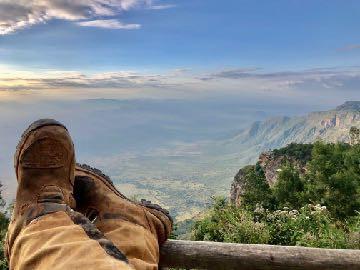
Start your ride after breakfast by 09.00 hrs and head eastward toward the spectacular West Usambaras mountains. After approximately 80 km of tar road, you will veer off onto a good gravel road that heads north-eastwards around the mountains. Ride the twisty and winding road that leads up to Mlalo, a small village centre at the top of the mountains. The ride up the mountain provides spectacular views of the African plains below, leading towards Kenya. Continue past Mlalo on good quality gravel roads, passing through mountain villages and forests. Arrive at your destination for the night, Mullers Mountain Lodge, established out of an old colonial house and set in a secluded forest area that offers some great nearby hiking. Overnight at Mullers Mountain Lodge.
Total Distance to Cover: Tar road – 80 km; Gravel road – 150 km; Total – 230 km
Day 4 – Same to Lushoto
Start your ride after breakfast by 09.00 hrs and head eastward toward the spectacular West Usambaras mountains. After approximately 80 km of tar road, you will veer off onto a good gravel road that heads north-eastwards around the mountains. Ride the twisty and winding road that leads up to Mlalo, a small village centre at the top of the mountains. The ride up the mountain provides spectacular views of the African plains below, leading towards Kenya. Continue past Mlalo on good quality gravel roads, passing through mountain villages and forests. Arrive at your destination for the night, Mullers Mountain Lodge, established out of an old colonial house and set in a secluded forest area that offers some great nearby hiking. Overnight at Mullers Mountain Lodge.
Total Distance to Cover: Tar road – 80 km; Gravel road – 150 km; Total – 230 km

Day 5 – Lushoto to Irente Farm
Today is a short but scenic ride. Start the day with a hearty breakfast and head out on a forest hike departing from the lodge, returning in time for lunch. For those not hiking, enjoy a leisurely breakfast and morning at the lodge. After lunch at the lodge, head out for an afternoon ride to your next destination, Irente Farm. Travel southward through the mountains on a mix of tar and good gravel roads, passing through forests, farmland, and the small town of Lushoto, which used to be the capital of the German colonial empire. Arrive at Irente Farm by late afternoon, settle in, and take a short walk to the stunning viewpoint that provides exceptional views of the valleys below. Overnight at Irente Farm Lodge.
Total Distance to Cover: Tar road – 20 km; Gravel road – 20 km; Total – 30 km
Day 5 – Lushoto to Irente Farm
Today is a short but scenic ride. Start the day with a hearty breakfast and head out on a forest hike departing from the lodge, returning in time for lunch. For those not hiking, enjoy a leisurely breakfast and morning at the lodge. After lunch at the lodge, head out for an afternoon ride to your next destination, Irente Farm. Travel southward through the mountains on a mix of tar and good gravel roads, passing through forests, farmland, and the small town of Lushoto, which used to be the capital of the German colonial empire. Arrive at Irente Farm by late afternoon, settle in, and take a short walk to the stunning viewpoint that provides exceptional views of the valleys below. Overnight at Irente Farm Lodge.
Total Distance to Cover: Tar road – 20 km; Gravel road – 20 km; Total – 30 km
Day 6 – Irente Farm
Today is a fun ride day. Head out after breakfast and ride to Mambo View Point on the western side of the West Usambara Mountains. Travel through good gravel roads, passing stunning forest reserves, farmland, and small villages. Stop for lunch at Magumba View Cottages, which offers spectacular views of the valleys off the west side of the mountains. On a clear day, you can even see Mount Kilimanjaro. Overnight at Uvi House.
Total Distance to Cover: Tar road – 20 km; Gravel road – 30 km; Total – 50 km
Day 7 – Mambo View to Mkomazi National Park
Wake up early for breakfast and set off by 09.00 hrs. Ride across the top of the West Usambara Mountains, passing through farmland, villages, and mountain vegetation, with beautiful views of the African plains below. Travel through the quaint historical mountain headquarters of Lushoto, then descend the twisty old road down the mountains to the main trunk road heading back towards Arusha. Ride on the tarmac main road to the village of Mkomazi, then take the gravel road onwards to Mkomazi National Park gate, where you will leave your motorcycles and be met by a 4×4 game viewing vehicle. This vehicle will take you to your accommodation for the night inside the National Park. Complete formalities at the park gate and drive 20 km to your tented camp. Overnight at Babu’s Camp.
Total Distance to Cover: Tar road – 75 km; Gravel road – 130 km; Total – 205 km
Day 8 – Mkomazi National Park
Wake up early for a wildlife game drive in your purpose-built 4×4 vehicle. Return to your safari camp in time for a late morning breakfast and relax at the camp during the hottest hours of the day. Enjoy lunch at the camp, then head out for a mid-afternoon game drive to visit the unique (to East Africa) Black Rhino and African Wild Dog sanctuary. Return to your lodge by late afternoon to enjoy a beautiful sunset over the African plains of Mkomazi National Park. Dinner and overnight at Babu’s Camp.
Total Distance to Cover: Tar road – 0 km; Gravel road – 0 km; Total – 0 km
Day 9 – Mkomazi to Arusha
Today is your last day of riding. After breakfast at your camp, head to the park gate in your 4×4 game viewing vehicle. Exit the park gate and return to the saddle of your motorcycle. Ride onto the main trunk road and head west towards Arusha. After approximately 30 km, veer off onto a gravel road and ride at the base of the North Pare Mountains. Continue for about 30 km up a windy and twisty road into the mountains. At the top, ride through the mountains, lush forests, and mountain villages, then descend the other side. Rejoin the main trunk road and continue towards Arusha town to arrive at the EAM base before dark. Leave your motorcycles at the base and transfer to your hotel in Arusha. Overnight at Forest Hill Hotel.
Total Distance to Cover: Tar road – 200 km; Gravel road – 40 km; Total – 240 km
Day 10 – Departure
Enjoy one last breakfast with the rest of the group and spend the day doing various activities in the vicinity of the hotel while awaiting your flight departure. End of Trip.
Skill Level:
- Beginner – YES
- Intermediate – YES
- Advanced – YES
Requirements:
- Minimum number of five motorcycles on this tour
- Maximum number of twelve motorcycles on this tour
- Pillion rider allowance: YES
What is Included:
- Royal Enfield motorcycle rental
- Fuel for the route of the guided tour
- A guide on separate motorcycle
- Comprehensive motorcycle insurance
- Backup vehicle and service
- Accommodation for 9 nights on twin/double/single sharing and full board, half board, and B&B (in some cases lunch in packed containers) basis*
- All government fees and entry to Mkomazi National Park
- Overnight and game drives in a purpose-converted safari vehicle
- Evacuation medical cover in case of emergency
*In case the hotels mentioned here are not available at the time of booking, alternative hotels will be provided. However, this could result in an increase in the overall tour rate.
What is Not Included:
- International flights
- Domestic flights
- Visas
- Personal medical insurance
- Beverages
- Riding Equipment
- Excess motorcycle insurance
- All transfers
Pricing:
- Riders sharing accommodation basis – USD 4,100 per person
- Riders in single accommodation basis – USD 4,470 per person
- Pillion rider sharing accommodation basis – USD 2,400 per person
- Mkomazi National Park – USD 390 per person
Location Facts – Mount Kilimanjaro
Mount Kilimanjaro is not only Africa’s tallest peak, but also the world’s tallest free-standing mountain. The summit, named Uhuru Point, is 5,895 meters (19,341 feet) above sea level. Free-standing mountains like Kilimanjaro are usually a result of volcanic activity.
Volcanic mountains are formed when molten rock erupts and piles upon the surface. Mount Kilimanjaro lies just 205 miles from the equator, in the country of Tanzania. When early explorers reported seeing glaciers on the top of Kilimanjaro, people did not believe them, as they thought it was impossible for ice to form so close to the hot, equatorial sun.
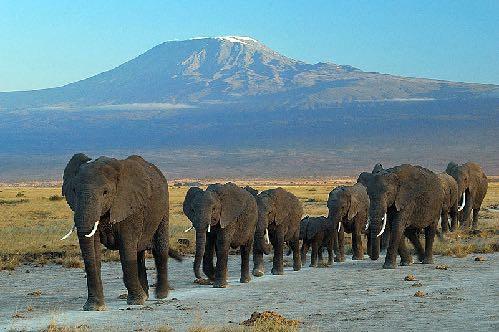
Mount Kilimanjaro
Mount Kilimanjaro is a stratovolcano – a term for a very large volcano made of ash, lava, and rock. Shira and Mawenzi Peaks are extinct volcanoes, meaning that there is no activity underneath these cones. In short, they are cut off from their supply of lava.
However, Kibo Peak is considered a dormant volcano; it can erupt again! If a volcano hasn’t erupted in the last 10,000 years, but scientists think it will erupt again, it’s considered dormant. The last major eruption was 360,000 years ago. The most recent activity was 200,000 years ago. The ash pit is a two-hour round-trip hike from the highest campsite, Crater Camp. Those who visit the ash pit will be greeted by the smell of sulphur from the volcano’s lava.
The origin of the name Kilimanjaro is not certain. European explorers had adopted the name by 1860 and reported that “Kilimanjaro” was the mountain’s Swahili name. But according to the 1907 edition of The Nuttall Encyclopædia, the name of the mountain was “Kilima-Njaro,” comprised of the Swahili word “Kilima” meaning “mountain” and the Chagga word “Njaro” meaning “whiteness.”
The Germans discovered the charm of the Usambaras and established Lushoto (then called Wilhelmsthal), which became a favored holiday spot for colonial administrators. Today, many traces of the German era are still visible.
Tanganyika became a British Mandate Territory after World War I. The British administration continued to reserve and exploit forests. After independence in 1961, the Ujamaa politics, or so-called “African socialism” of President Nyerere, brought one of the best organized village communities in Africa, which still exists today in the Usambaras (usambaramountains.com). Source: kaananiresthouse.de
Mkomazi National Park is a magnificent 3,500-square-kilometre national park in northern Tanzania. Remote and initially inaccessible, it was established in 1951 but never attracted the financial support provided for the better-known wildlife strongholds such as the Ngorongoro Conservation Area and the Serengeti National Park. Only since 1989, when the Tanzanian Government re-examined the reserve’s status and designated it a National Priority Project, has its true significance been recognized. Today, the park is easily accessible.
The park is a spectacular wilderness. To the northwest is Mount Kilimanjaro, Africa’s highest summit. To the south, the Pare and Usambara Mountains form a dramatic backdrop, and to the north, Kenya’s vast Tsavo National Park shares a border with Mkomazi, providing common ground for migratory herds of Elephant, Oryx, and Zebra during the wet season. Together with Tsavo, it forms one of the largest and most important protected ecosystems on earth. Mkomazi is at the southern tip of the Sahel zone. It is a classic dry-country reserve of grey-green Nyika bush, ancient Baobab trees, and isolated rocky hills. Elsewhere, the seas of bush give way to open savannah woodlands of umbrella Acacias and mbugas – shallow valleys of grassland.
The animals are typical of the arid Nyika; Giraffe, Oryx, Gerenuk, Hartebeest, Lesser Kudu, Eland, Impala, and Grant’s Gazelle share the reserve with Elephant, Buffalo, and numerous predators including Lion, Leopard, and Cheetah. In all, 78 species of mammals have been recorded in the park. The birds of Mkomazi are even more numerous, with over 400 recorded species. Doves, Hornbills, Weavers, and Guinea-Fowl are all present in large numbers – as well as striking species such as the Martial Eagle and Violet Wood-Hoopoe.
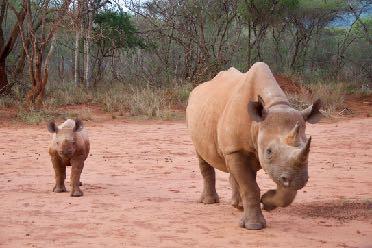
Furthermore, an exciting Wild Dog and Black Rhino rehabilitation project, established in the park some 30 years ago by world-famous ‘Lion Man’ and conservationist Tony Fitz-John, is due to open to the public in early 2021.
Being that the park is well off the normal tourist beaten track, it is a great option to view African wildlife away from the crowds. There is only one accommodation option within the park, which makes a night spent there unique, as you have a 3,500-square-mile wildlife area all to yourself for the night.
Being that the park is well off the normal tourist beaten track, it is a great option to view African wildlife away from the crowds. There is only one accommodation option within the park, which makes a night spent there unique, as you have a 3,500-square-mile wildlife area all to yourself for the night.